Why Healthy Eating Starts at the Grocery Store
The food choices you make at the grocery store determine 80% of your nutritional outcomes. No amount of willpower at mealtime can compensate for a pantry filled with ultra-processed foods, excess sugar, and refined ingredients. Conversely, if your kitchen is stocked with whole grains, fresh vegetables, quality proteins, and healthy fats, eating well becomes the default rather than the exception.
Indian grocery stores — from neighbourhood kiranas to organised retailers like Laxmi Super Mart — offer an incredible variety of nutritious foods. The challenge is not availability; it is navigating the options effectively. This guide, developed with nutritionist input, will help you build a healthier grocery cart without breaking your budget.
The Foundation: Understanding Food Categories
Every grocery trip should aim to cover five essential food groups:
- Whole grains and millets: The base of the Indian diet — providing carbohydrates, fibre, and B vitamins
- Proteins: Dal, legumes, dairy, eggs, fish, and lean meats for muscle repair and immune function
- Vegetables and fruits: Vitamins, minerals, antioxidants, and fibre
- Healthy fats: Cooking oils, nuts, seeds, and ghee in appropriate quantities
- Dairy or alternatives: Calcium, protein, and probiotics (from curd)
A balanced grocery cart should have items from all five groups. The common mistake is over-indexing on packaged and processed foods while under-buying fresh produce, whole grains, and quality proteins.
Whole Grains and Millets: The Smart Carb Choices
India has an extraordinary heritage of grain diversity that is only now being rediscovered for its health benefits. Instead of defaulting to refined wheat atta for everything, diversify your grains:
- Bajra (Pearl Millet): A Rajasthani staple packed with iron, magnesium, and fibre. Bajra roti is a nutritional powerhouse and far more nutrient-dense than regular wheat roti.
- Jowar (Sorghum): Gluten-free, high in protein and antioxidants. Excellent as roti or in porridge form.
- Ragi (Finger Millet): The highest calcium content among cereals — ideal for children and postmenopausal women. Ragi dosa and ragi porridge are traditional preparations.
- Brown Rice or Hand-Pounded Rice: Retains the bran layer that white rice loses during polishing, providing more fibre, vitamins, and minerals.
- Whole Wheat Atta: Choose stone-ground (chakki atta) over refined versions for better fibre and nutrient content.
- Oats: A versatile breakfast option rich in beta-glucan fibre, which helps manage cholesterol.
Aim to include at least two to three different grains in your weekly shopping. This diversity ensures a broader nutritional profile and prevents monotony.
Proteins: Building a Strong Foundation
Protein deficiency is surprisingly common in India, even among those who eat adequate calories. Ensure your grocery cart includes sufficient protein sources:
Vegetarian Proteins
- Dals and Lentils: Toor dal, moong dal, masoor dal, chana dal, urad dal — each offers a distinct amino acid profile. Rotating dals throughout the week provides more complete protein.
- Rajma, Chole, Lobia: Legumes are protein-rich and high in fibre. Soak dried legumes rather than relying entirely on canned versions.
- Paneer and Curd: Excellent complete proteins. Choose fresh paneer over processed cheese, and plain curd over flavoured yogurt (which often contains excessive sugar).
- Soy Products: Soy chunks, tofu, and soy milk are affordable, high-quality protein options.
- Nuts and Seeds: Almonds, walnuts, peanuts, flaxseeds, sunflower seeds, and pumpkin seeds provide protein along with healthy fats.
Non-Vegetarian Proteins
- Eggs: One of the most nutritionally complete and affordable protein sources. Free-range eggs are worth the premium if available.
- Fish: Rich in omega-3 fatty acids. In Rajasthan, where fresh fish availability is limited, frozen fish and canned options (sardines, mackerel) are good alternatives.
- Chicken and Lean Meats: Choose fresh over processed. Avoid pre-marinated or heavily processed meat products which tend to be high in sodium and preservatives.
Fresh Vegetables and Fruits: Eating the Rainbow
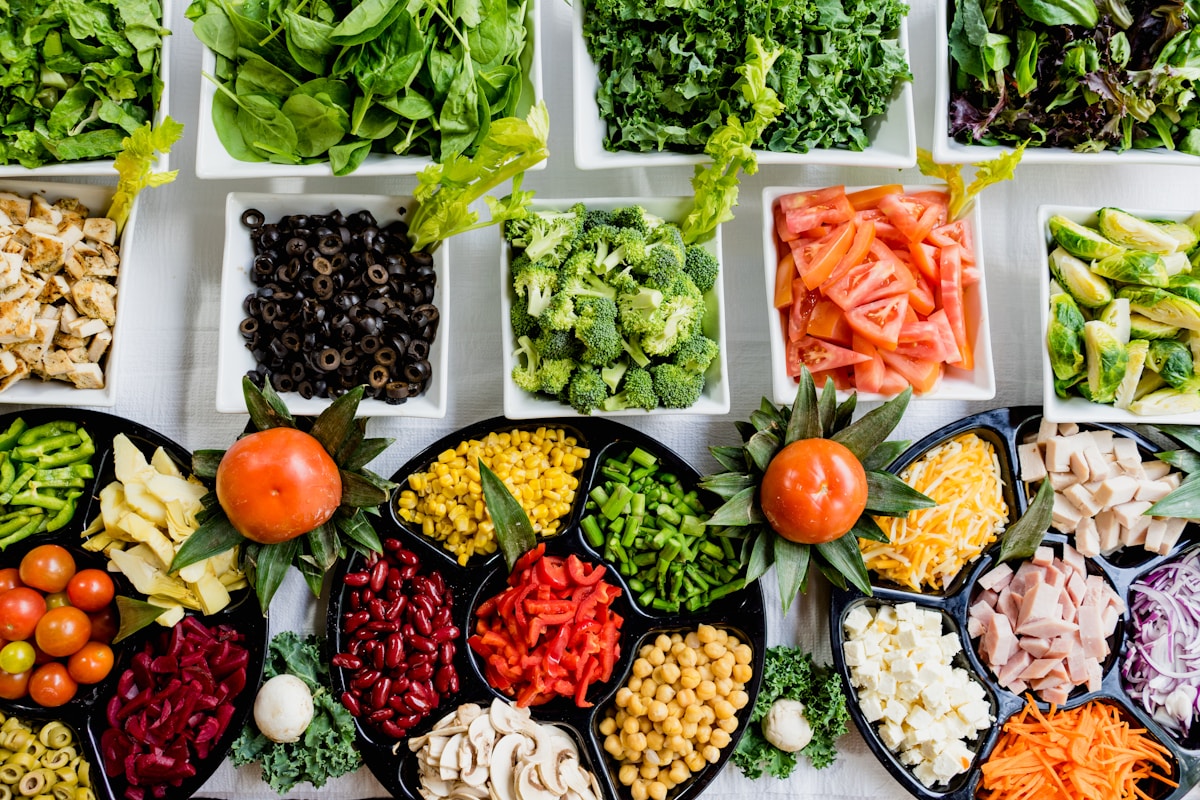
Nutritionists recommend eating a variety of colours, as different pigments indicate different phytonutrients:
- Green: Spinach (palak), fenugreek (methi), bottle gourd (lauki), okra (bhindi), green beans, broccoli
- Red/Orange: Tomatoes, carrots, pumpkin, red bell peppers, beetroot
- Yellow: Corn, yellow lentils, turmeric (fresh or powdered)
- White: Cauliflower, radish (mooli), garlic, onions, mushrooms
- Purple: Eggplant (baingan), purple cabbage, jamun (seasonal)
Budget tip: Buy seasonal vegetables — they are fresher, more nutritious, and significantly cheaper. In Rajasthan, winter brings abundant karela, gajar, matar, and palak, while summer offers tinda, turai, and parwal at low prices.
Fruit guidelines: Prioritise whole fruits over fruit juices. The fibre in whole fruit slows sugar absorption, making it far healthier than juice (which concentrates sugar while removing fibre). Indian fruits like guava, amla, papaya, and banana offer excellent nutrition at affordable prices.
Reading Labels: The Most Important Skill
Learning to read food labels is the single most impactful skill for healthy grocery shopping. Here is what to check on every packaged product:
1. Ingredient List
Ingredients are listed in descending order by weight. If sugar, refined flour (maida), or hydrogenated vegetable oil appears in the first three ingredients, the product is likely unhealthy regardless of marketing claims.
2. Added Sugar
Sugar hides under many names: sucrose, high fructose corn syrup, dextrose, maltose, corn syrup solids, and concentrated fruit juice. The WHO recommends limiting added sugar to 25 grams per day. Many packaged foods and beverages exceed this in a single serving.
3. Sodium Content
High sodium intake is linked to hypertension. Limit intake to 2,000 mg per day. Packaged snacks, instant noodles, and ready-to-eat meals are often extremely high in sodium.
4. Trans Fats
FSSAI now mandates trans fat labelling. Look for 0g trans fat. Partially hydrogenated oils — still found in some packaged snacks and bakery products — are a red flag.
5. Serving Size
Nutritional information is often listed per serving, and the stated serving size may be unrealistically small. A 400 ml juice bottle might list nutrition per 200 ml — meaning you need to double the numbers if you drink the whole bottle.
The Processed Food Spectrum
Not all processing is bad. Understanding the spectrum helps make smarter choices:
- Minimally processed: Washed vegetables, roasted nuts, pasteurised milk, frozen vegetables — these are perfectly healthy
- Processed ingredients: Oil, flour, sugar, salt — neutral when used in reasonable quantities during home cooking
- Processed foods: Canned vegetables, cheese, simple bread — generally fine as part of a balanced diet
- Ultra-processed foods: Instant noodles, packaged cakes, sugary cereals, carbonated drinks, many chips — these should be minimised. They are engineered for overconsumption and provide calories with minimal nutrition.
Building Your Healthy Grocery List
Here is a practical weekly grocery list framework for an Indian household of four:
| Category | Items | Approximate Budget |
|---|
| Whole Grains | Wheat atta, bajra atta, rice, oats, poha | ₹300–500 |
| Dals and Legumes | 2-3 varieties of dal, rajma or chole | ₹200–350 |
| Vegetables | 5-7 varieties, seasonal | ₹250–500 |
| Fruits | 3-4 varieties, seasonal | ₹200–400 |
| Dairy | Milk, curd, paneer | ₹300–500 |
| Oils and Fats | Mustard oil or groundnut oil, ghee | ₹200–400 |
| Spices | Turmeric, cumin, coriander, chilli | ₹100–200 |
| Proteins | Eggs, nuts, soy chunks | ₹150–300 |
This framework costs approximately ₹1,700–3,150 per week, providing complete nutrition for a family of four. Adjustments based on non-vegetarian additions, premium products, or specific dietary needs will shift the budget accordingly.
Smart Shopping Strategies
- Shop the perimeter: In most supermarkets including Laxmi Super Mart, the healthiest foods — fresh produce, dairy, whole grains — are located around the store's perimeter. The centre aisles tend to stock more processed foods.
- Never shop hungry: Studies consistently show that hungry shoppers buy more impulse items and make less healthy choices.
- Make a list: Planning meals for the week and shopping from a list reduces impulse purchases and food waste.
- Compare unit prices: Larger packs are not always cheaper per unit. Check the per-kg or per-litre price, not just the pack price.
- Choose whole over refined: Whole wheat over maida, brown rice over white, whole fruit over juice — this single principle covers most healthy choices.
Common Healthy Shopping Mistakes
- Trusting front-of-pack claims: "Natural," "multigrain," and "no added preservatives" are marketing terms with limited regulatory definitions. Always check the actual ingredient list and nutrition panel.
- Avoiding all fats: Healthy fats (ghee in moderation, nuts, mustard oil, olive oil) are essential. The enemy is not fat — it is trans fats and excessive refined oils.
- Ignoring traditional foods: Many Indian traditional foods are nutritional superstars — curd, ghee, turmeric, amla, bajra, jowar. Do not replace them with expensive marketed alternatives.
- Overbuying perishables: Buying more fresh produce than you can consume leads to waste and discourages future healthy purchases. Buy smaller quantities more frequently.
Healthy grocery shopping is a skill that improves with practice. Start by making one or two changes per shopping trip — swap refined atta for whole wheat, add a new vegetable, or read the label on a product you regularly buy. Small, consistent improvements compound into dramatically better nutrition over time.
For specific Indian superfoods to add to your cart, read our guides on Rajasthani superfoods and the millet revolution in India.
Frequently Asked Questions
What is the most important label to check when buying packaged food?
The ingredient list is the most important thing to check. Ingredients are listed by weight — if sugar, maida (refined flour), or hydrogenated oil appears in the first three ingredients, the product is likely unhealthy regardless of marketing claims on the front of the pack.
How much should a family of four spend on healthy groceries per week in India?
A balanced, nutritious weekly grocery basket for a family of four can be built for approximately ₹1,700–3,150, covering whole grains, dals, seasonal vegetables and fruits, dairy, oils, spices, and protein sources. Budget varies by city and whether non-vegetarian items are included.
What are the healthiest Indian grains to buy?
Bajra (pearl millet), jowar (sorghum), ragi (finger millet), and whole wheat atta are among the healthiest Indian grains. These provide more fibre, vitamins, and minerals than refined grains. Including two to three different grains in your weekly shopping ensures broader nutritional coverage.
How can I identify ultra-processed foods at the grocery store?
Ultra-processed foods typically have long ingredient lists with items you would not use in home cooking — emulsifiers, stabilisers, artificial flavours, high fructose corn syrup, and hydrogenated oils. If the ingredient list is longer than five to seven items and includes unfamiliar chemical names, it is likely ultra-processed.
Are expensive organic products always healthier than regular groceries?
Not necessarily. While organic products reduce pesticide exposure, the nutritional difference between organic and conventionally grown produce is modest. Prioritise eating more vegetables and fruits — organic or not — over spending premium prices on a few organic items. Seasonal, locally grown produce is often the best value for health.
Find Your Nearest Laxmi Super Mart
85+ stores across Rajasthan and India with everyday low prices on 10,000+ products.
Find a Store

Laxmi Mart Editorial
The Laxmi Mart Editorial team brings you the latest insights on grocery shopping, product guides, and smart living tips from India's trusted supermarket chain with 85+ stores across Rajasthan.
 Healthy Living