The FMCG Distribution Opportunity in Rajasthan
Rajasthan is India's largest state by area, spanning over 342,000 square kilometres with a population exceeding 80 million. This vast geography, combined with a growing consumer base, creates enormous opportunities in FMCG distribution. The state's retail ecosystem comprises thousands of kirana stores, general trade outlets, and emerging modern trade formats like Laxmi Super Mart — all of which depend on efficient distribution networks to keep shelves stocked.
India's FMCG sector is valued at over $110 billion and is projected to grow at 10–12% annually. Rajasthan, with its mix of urban, semi-urban, and rural markets, offers distributors a chance to build a profitable business by bridging the gap between manufacturers and retailers.
Understanding the FMCG Distribution Model
An FMCG distributor acts as the crucial link between brands and retail outlets. The basic model works as follows:
- The distributor signs an agreement with one or more FMCG brands for a designated territory.
- Products are purchased from the manufacturer at a distributor price (typically 8–15% below MRP depending on the category).
- The distributor warehouses the stock and supplies it to retailers — kirana stores, supermarkets, and other outlets — within the assigned territory.
- Revenue comes from the margin between the distributor purchase price and the retailer purchase price, plus any scheme benefits and incentives from the brand.
Effective distributors do more than just move boxes. They provide last-mile delivery, manage retailer relationships, execute promotional schemes, handle returns, and feed market intelligence back to the brand.
Investment Required for FMCG Distribution in Rajasthan
Starting an FMCG distribution business requires significantly more capital than opening a retail store. Here is a realistic breakdown:
| Expense Category | Estimated Cost |
|---|
| Warehouse Rent (Security + 3 months advance) | ₹1–4 lakh |
| Warehouse Setup (Racking, Loading Area) | ₹1–3 lakh |
| Initial Stock Investment | ₹5–25 lakh |
| Delivery Vehicle (Tempo/Mini Truck) | ₹3–8 lakh |
| Salesman Salaries (2-4 people, 3 months) | ₹1.5–3 lakh |
| Technology (Billing Software, DMS) | ₹20,000–1 lakh |
| Working Capital Reserve | ₹3–10 lakh |
Total investment typically ranges from ₹15 lakh to ₹55 lakh depending on the brands, territory size, and scale of operations. Larger FMCG companies like Hindustan Unilever, ITC, or Nestlé may require higher stock commitments but offer stronger brand pull and faster turnover.
Choosing the Right Territory
Territory selection is one of the most important decisions for an FMCG distributor. In Rajasthan, consider these factors:
- Urban territories (Jaipur, Jodhpur, Udaipur, Kota): Higher retailer density means more sales volume but also more competition and higher operational costs.
- Semi-urban territories (Ajmer, Bhilwara, Sikar, Alwar): Growing consumer spending with less competition. These towns are seeing rapid growth in branded FMCG consumption.
- Rural territories: Vast geography requires more logistics investment, but brands are increasingly focused on rural penetration and offer attractive schemes to distributors willing to serve these areas.
Rajasthan's district-wise market potential varies considerably. Districts like Jaipur, Jodhpur, and Udaipur have the highest retail density, while districts in the Thar Desert region require specialised logistics planning due to distances between retail clusters.
How to Get an FMCG Distributorship
Securing a distributorship involves several steps:
- Identify target brands: Start by listing brands whose products are in demand in your target territory. Visit local retailers and note which brands sell fastest.
- Contact the company's regional sales office: Most FMCG companies have area sales managers (ASMs) or regional managers who handle distributor appointments. You can find contacts on company websites or LinkedIn.
- Submit a formal application: This typically includes proof of warehouse space, financial statements, details of delivery vehicles, and your business experience.
- Due diligence and approval: The company will verify your infrastructure, financial capacity, and market knowledge before granting the distributorship.
- Sign the agreement: This specifies your territory, purchase commitments, margin structure, and performance targets.
Pro tip: smaller and regional FMCG brands are often easier to start with and may offer better margins. As you build your infrastructure and retailer network, you can add larger national brands to your portfolio.
Margins and Profitability
FMCG distribution margins vary by category:
- Staples (atta, rice, oil): 2–5% margin — high volume, low margin
- Packaged foods (biscuits, snacks, noodles): 5–10% margin
- Personal care (soaps, shampoos, skincare): 8–12% margin
- Beverages: 6–10% margin
- Home care (detergents, cleaners): 5–8% margin
Beyond base margins, distributors earn through scheme benefits (buy X get Y free), volume incentives, display incentives, and seasonal promotions. A well-managed distribution business handling multiple brands across a good territory can achieve net margins of 3–6% on total turnover, which at scale translates to healthy absolute profits.
Warehousing and Logistics
Your warehouse is the backbone of your distribution business. Key considerations for Rajasthan:
- Climate control: Rajasthan's extreme temperatures (45°C+ in summer) mean you need proper ventilation and, for certain products, cold storage. Chocolates, dairy products, and some beverages require temperature-controlled environments.
- Location: Choose a warehouse on a main road with easy truck access, ideally near the centre of your distribution territory to minimise delivery distances.
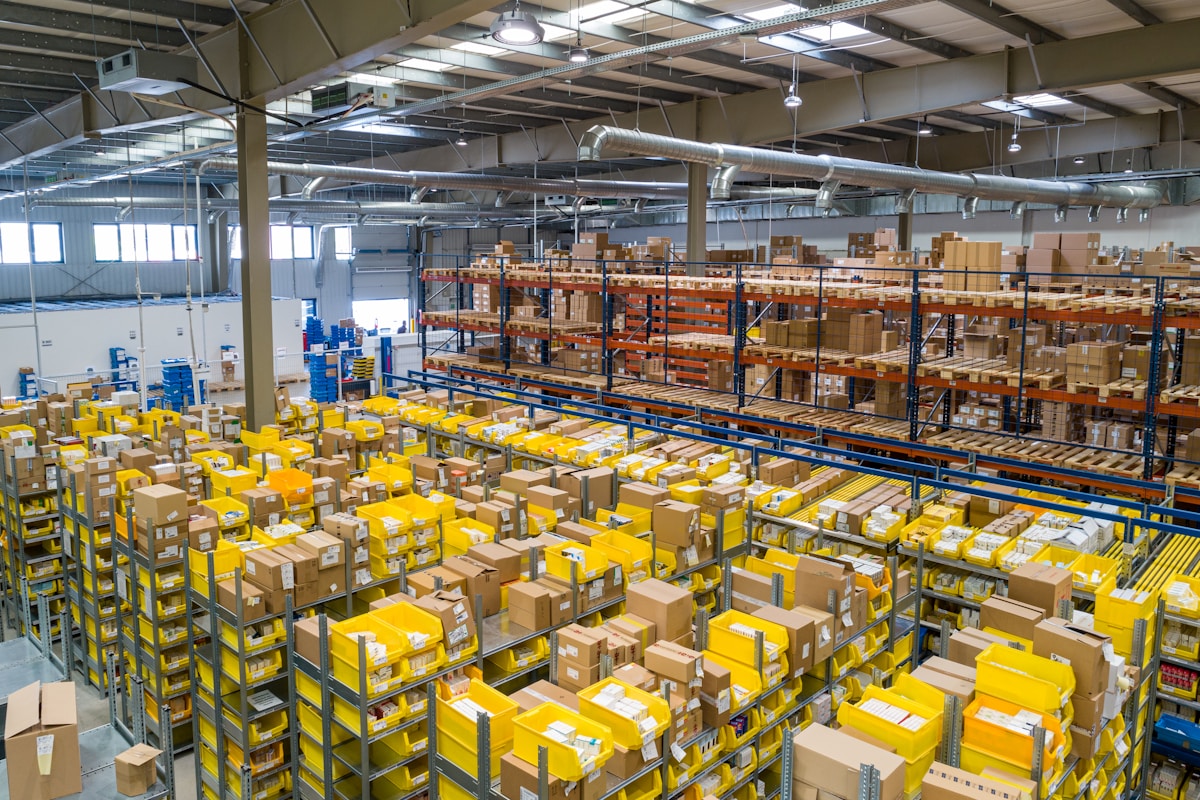
- Size: A 1,000–3,000 sq ft warehouse is adequate for most single-brand or small multi-brand operations. Larger operations may need 5,000+ sq ft.
- Delivery fleet: Depending on territory size, you may need one to four delivery vehicles. Many distributors in Rajasthan use Tata Ace, Mahindra Bolero Pickup, or similar light commercial vehicles.
Technology in FMCG Distribution
Modern distribution relies heavily on technology. Most FMCG companies now require distributors to use a Distribution Management System (DMS) that tracks orders, inventory, and sales in real-time. Beyond the company-mandated DMS, consider adopting:
- Route optimisation software: Reduces fuel costs and improves delivery efficiency across Rajasthan's vast distances.
- Digital invoicing: Speeds up billing and reduces errors.
- Inventory management tools: Prevents stockouts and overstock situations.
Platforms like MyKiranaBuddy on the Google Play Store are also transforming how kirana stores source products, creating new opportunities for distributors to reach retailers through digital channels alongside traditional salesman-driven models.
Building Your Retailer Network
A distributor's most valuable asset is the retailer network. To build and maintain strong retailer relationships:
- Ensure reliable, on-time deliveries — consistency builds trust.
- Offer fair credit terms (typically 7–21 days in general trade).
- Communicate promotional schemes clearly and ensure retailers receive scheme benefits promptly.
- Handle damaged goods and returns professionally.
- Provide market knowledge — share insights about trending products and consumer preferences.
In Rajasthan's smaller towns, personal relationships matter enormously. Regular visits from salesmen, prompt complaint resolution, and festival greetings go a long way in building a loyal retailer base.
Challenges and How to Overcome Them
FMCG distribution in Rajasthan comes with unique challenges:
- Geographic spread: Large territories with scattered retail outlets increase logistics costs. Solution: optimise delivery routes and set minimum order values for distant locations.
- Credit risk: Retailer defaults on payments can hurt cash flow. Solution: set strict credit limits, monitor outstanding closely, and use digital payment options.
- Seasonal fluctuations: Demand patterns shift during festivals, monsoons, and extreme summer heat. Solution: plan inventory according to seasonal demand curves.
- Competition from B2B platforms: Online wholesale platforms are growing. Solution: differentiate through personal service, faster delivery, and better credit terms that platforms cannot match.
Growth Strategies for Distributors
Once your distribution business is established, growth avenues include:
- Adding more brands: Diversify your portfolio to increase revenue per retailer visit.
- Expanding territory: Take on adjacent territories as you build infrastructure.
- Modern trade supply: Supply to supermarkets and organised retail chains like Laxmi Super Mart, which require reliable, high-volume distribution partners.
- Private label distribution: Some distributors develop their own private label products for higher margins.
The FMCG distribution business in Rajasthan is demanding but rewarding. With disciplined operations, strong retailer relationships, and smart use of technology, distributors play an indispensable role in India's $600 billion grocery ecosystem. For deeper understanding of how organised retail and traditional trade interact, explore our analysis of Kirana vs Supermarket vs Online Grocery models and how they shape distribution dynamics.
Frequently Asked Questions
How much does it cost to start an FMCG distribution business in Rajasthan?
Total investment ranges from ₹15 lakh to ₹55 lakh depending on brand commitments, territory size, and infrastructure. This covers warehouse setup, initial stock, delivery vehicles, staff salaries, and working capital.
What are the profit margins in FMCG distribution?
Base margins range from 2–5% on staples to 8–12% on personal care products. With scheme benefits and volume incentives, net margins of 3–6% on total turnover are achievable. At scale, this translates to strong absolute profits.
How do I get a distributorship from a major FMCG brand?
Contact the brand's regional sales office or area sales manager. You will need to demonstrate adequate warehouse space, financial capacity, delivery vehicles, and market knowledge. The company conducts due diligence before granting a territorial distributorship agreement.
What are the biggest challenges for FMCG distributors in Rajasthan?
Key challenges include large geographic territories increasing logistics costs, retailer credit defaults, extreme temperatures requiring climate-controlled warehousing, and growing competition from B2B wholesale platforms. Careful route planning, strict credit policies, and strong personal relationships help overcome these.
Can I distribute multiple FMCG brands simultaneously?
Yes, most distributors handle multiple non-competing brands. This is advisable as it increases revenue per retailer visit and reduces dependency on any single brand. Start with one or two brands and expand as your infrastructure and retailer network grow.
Find Your Nearest Laxmi Super Mart
85+ stores across Rajasthan and India with everyday low prices on 10,000+ products.
Find a Store

Laxmi Mart Editorial
The Laxmi Mart Editorial team brings you the latest insights on grocery shopping, product guides, and smart living tips from India's trusted supermarket chain with 85+ stores across Rajasthan.
 B2B & Wholesale